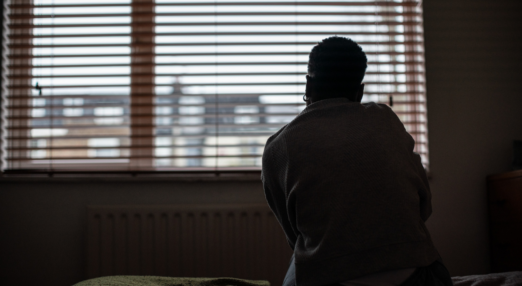
Breaking the silence: A British Sikh’s journey through domestic abuse
I am a British Sikh woman in my 40s, raised in Surrey within a traditional Indian household. From a young age, I was conditioned to respect my parents and learned that my voice was not to be heard – a ‘be seen but not heard’ environment. As the second-born daughter, I constantly felt controlled and never good enough. I was sold the myth of marriage: “Just wait until you’re married” – then I could go out, wear nice clothes, or wear make-up. But those promises masked a harsher reality.
I was expected to marry a Sikh man, yet dating was forbidden. I became a solicitor, but my personal life became a very different story. For 18 years, I endured coercive control, financial abuse and emotional abuse from my covert narcissist ex-husband and my in-laws. The abuse began even before our marriage and worsened immediately after our honeymoon. My mother-in-law was angry my parents hadn’t provided a dowry to furnish their home, and her jealousy of our relationship poisoned our family life.
My ex-husband, an only son conceived after many years, was treated like a king by his mother, who allowed him to do whatever he wanted, ignoring his responsibilities at home and with our children. I lived with my in-laws at the start and end of my marriage, feeling like a hostage – forbidden to work in London, forced to serve the household and care for them, while also working and studying. My in-laws criticised me to my parents in constant meetings, and my father-in-law accused me of ruining their community reputation.
Eventually, I had to make a secret escape plan with my two children – a 14-year-old son and 12-year-old daughter – as my ex-husband refused to even let me have their clothes. After leaving, his family tried to destroy my life, covering up his affairs and pressuring me not to divorce. “Just sit down and talk,” they said. “Stay married but live separately.” But divorcing a narcissist in our community is a battle unlike any other.
Today, I am divorced and rebuilding my life. My story is one of many, yet too often silenced by cultural stigma and fear. South Asian Heritage Month is a crucial time to shine a light on these hidden struggles and to remind survivors they are not alone. Domestic abuse transcends culture and community – and every survivor deserves support, respect and freedom.
Jasminder*
If you or someone you know is experiencing domestic abuse, help is available. Refuge offers confidential support for survivors from all backgrounds. No one should suffer in silence. The National Domestic Abuse Helpline can be reached at 0808 2000 247 and provides a live translation service for all languages – ensuring support is accessible to everyone. Visit www.refuge.org.uk for more information.
During South Asian Heritage Month, let’s break the silence and stand together against domestic abuse – because every survivor deserves safety, respect and the chance to rebuild their life.